🎒 Field Naturalist Expedition Checklist
Successful birdwatching requires far more than top-tier optics. Whether you are trekking through mosquito-infested freshwater marshes in mid-summer, standing on freezing ridgetops during autumn hawk migrations, or navigating thorny briar tangles, proper field apparel, rugged weather protection, weatherproof notebooks, and cutting-edge mobile apps make the difference between an exhausting ordeal and an unforgettable field expedition.
- Color psychology in birding apparel: why bright synthetics alarm wildlife
- Technical layering: moisture-wicking wool, quiet shells, and insulated boots
- All-weather field documentation: Rite in the Rain notebooks and field sketching
- The modern digital toolkit: eBird Mobile, Merlin Bird ID, and offline maps
Table of Contents
- The Anatomy of a Prepared Field Naturalist
- Apparel Color Psychology: Blending into Avian Sensory Reality
- Technical Layering Architecture: Managing Moisture, Wind, and Thermal Shifts
- Footwear Mastery: Waterproof Boots, Gaiters, and Muck Protection
- The Physical Notebook: All-Weather Paper and Field Journaling
- Field Packs and Ergonomic Harness Systems
- The Modern Digital Toolkit: Mobile Apps and Citizen Science Integration
- Comprehensive Four-Season Field Gear Matrix
- Emergency Field Kit: Ticks, First Aid, and Wilderness Safety
- Frequently Asked Questions (FAQ)
- Conclusion: Prepared for the Wild Frontier
1. The Anatomy of a Prepared Field Naturalist
There is an old Scandinavian proverb widely embraced by field naturalists: *”There is no such thing as bad weather, only bad clothing.”* Nothing cuts an extraordinary birding outing short faster than shivering uncontrollably in freezing drizzle, suffering blistered heels from soaked boots, or being swarmed by aggressive saltmarsh mosquitoes without protective gear.
Field birding is a unique outdoor pursuit. Unlike trail runners or mountaineers who generate continuous metabolic heat through rapid aerobic exertion, birders alternate between vigorous hiking and standing completely motionless for thirty minutes while scanning canopies or mudflats. This stop-and-start cadence demands specialized thermal regulation, silent non-rustling fabrics, and comprehensive weatherproofing systems.
💡 The Silent Fabric Rule
Birds possess acute auditory hearing optimized to detect subtle approaching predators. Avoid noisy, crinkly nylon rain jackets or swishing polyester ski pants. Choose quiet, brushed fabrics, micro-fleece, softshells, or waxed cotton that allow silent movement through thick woods.
2. Apparel Color Psychology: Blending into Avian Sensory Reality
Birds possess tetrachromatic vision: they have four types of cone photoreceptors in their eyes, allowing them to see ultraviolet light alongside the full spectrum of red, green, and blue. Furthermore, avian visual processing is exquisitely sensitive to high-contrast edges and unnatural movement.
Wearing neon jackets, bright whites, high-visibility orange, or stark synthetic colors acts like a flashing beacon across the forest canopy, causing birds to flush hundreds of yards before you can raise your binoculars. Always dress in muted, matte earth tones that mimic natural woodland and wetland backgrounds: olive drab, sage green, neutral tans, dull slate grays, and coyote browns. While full military camouflage is unnecessary, breaking up your human silhouette allows you to step within close observation range without alarming sensitive wildlife.
3. Technical Layering Architecture: Managing Moisture, Wind, and Thermal Shifts
To maintain physical comfort through fluctuating dawn-to-midday temperatures, employ a three-tier technical layering system:
- 1. The Base Layer (Moisture Management): Next to your skin, wear lightweight merino wool or high-performance synthetic polyester. Merino wool naturally regulates temperature, wicks sweat away from skin during steep trail climbs, and insulates even when damp, without retaining body odor. Never wear cotton t-shirts (“cotton kills”), which trap perspiration and cause rapid chilling during stationary observation periods.
- 2. The Mid Layer (Thermal Insulation): A breathable fleece jacket or lightweight packable down/synthetic insulated jacket (like PrimaLoft) traps warm dead air around your core. Down offers superior warmth-to-weight ratios, while synthetic insulation retains thermal warmth even in damp conditions.
- 3. The Outer Shell (Weather & Wind Barrier): A waterproof, windproof, breathable shell membrane (Gore-Tex, eVent, or Toray) that shields against horizontal rain squalls and cutting ridgetop winds. Look for quiet brushed exteriors and pit-zips that allow ventilation during hiking.
4. Footwear Mastery: Waterproof Boots, Gaiters, and Muck Protection
Your feet are your vehicle in the field. Bird habitats are inherently wet: morning dew on tall meadow grasses can soak leather boots within minutes, and marsh margins demand reliable waterproofing:
- Mid-Cut Gore-Tex Hiking Boots: Provide ankle support over rocky mountain trails while keeping feet dry through shallow creek crossings. Pair with merino wool socks to prevent friction blisters.
- Tall Muck / Neoprene Boots: For freshwater marshes, flooded river bottoms, and coastal mudflats, tall 16-inch rubber/neoprene muck boots (such as Muck Boot Arctic or Chore) are non-negotiable, allowing you to wade through standing water without fear.
- Breathable Trail Gaiters: Wearing gaiters over boots seals the gap between pants and footwear, preventing morning dew from soaking trouser cuffs and creating an impenetrable barrier against ticks and chiggers.
5. The Physical Notebook: All-Weather Paper and Field Journaling
In an era dominated by smartphone screens, the tactile discipline of maintaining a physical field notebook remains vital. Smartphones suffer dead batteries, cracked screens, and touch-screen failure in driving rain; a waterproof field notebook never crashes.
Field naturalists carry 3×5 or 4×6 inch **Rite in the Rain** all-weather pocket notebooks paired with an all-weather space pen or mechanical 2B pencil. The polydura-coated pages shed torrential rain, sweat, and mud, allowing you to sketch bill shapes, note feather tract patterns, and record behavioral observations in extreme weather conditions.
6. Field Packs and Ergonomic Harness Systems
Carrying optical gear, hydration, extra layers, and food requires thoughtful weight distribution:
- Binocular Harness Systems: Eliminate cervical neck strain by distributing binocular weight across your shoulders and back. Look for harnesses with protective weather hoods that shield optical glass from rain and dust.
- Streamlined Daypacks (18–25 Liters): Choose a lightweight pack with side stretch pockets for water bottles, a dedicated internal hydration bladder sleeve, external straps to secure a tripod, and a built-in rain cover.
7. The Modern Digital Toolkit: Mobile Apps and Citizen Science Integration
Smartphones have revolutionized field natural history when equipped with authoritative, offline-capable applications:
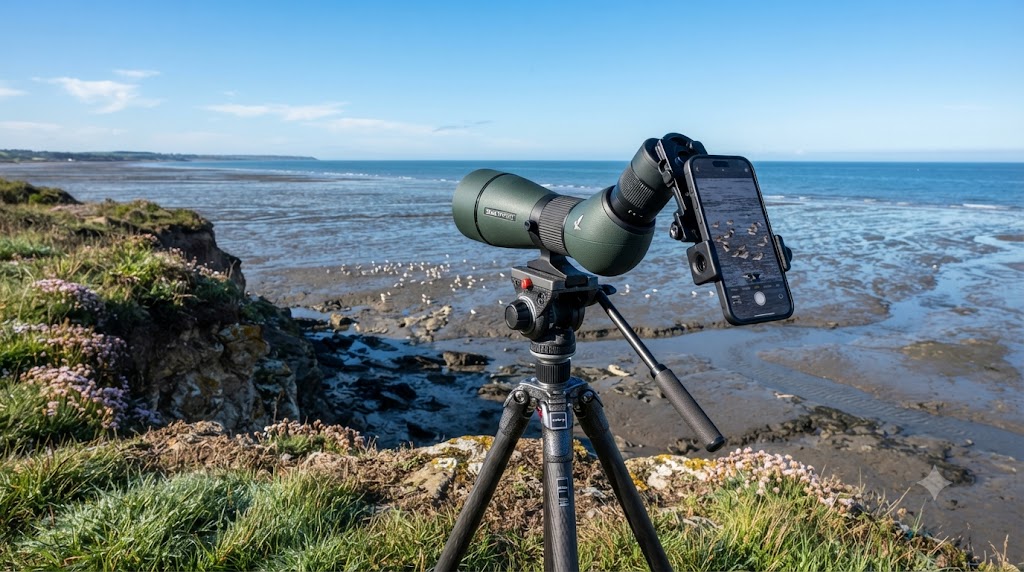
- eBird Mobile: The premier global citizen science platform developed by the Cornell Lab of Ornithology. Allows real-time checklist logging with GPS track recording, species counts, and instant synchronization with your personal life list.
- Merlin Bird ID: A powerful digital field companion featuring offline identification keys, photo ID, and real-time audio Sound ID that analyzes incoming forest sounds using deep neural networks.
- Offline Topographical Maps (Gaia GPS / OnX Backcountry): Crucial for wilderness navigation, allowing you to download high-resolution satellite imagery and topographic contour maps that operate without cellular reception.
8. Comprehensive Four-Season Field Gear Matrix
| Gear Category | Warm Weather Essentials (Spring/Summer) | Cold Weather Essentials (Autumn/Winter) | Recommended Field Brands |
|---|---|---|---|
| Base & Mid Layers | Merino wool t-shirt; sun hoodie (UPF 50+) | Heavyweight merino thermals; 800-fill down jacket | Smartwool, Icebreaker, Patagonia, Arc’teryx |
| Outer Shell Apparel | Lightweight breathable rain shell; quiet softshell | Stormproof Gore-Tex Pro shell; insulated wind bibs | Outdoor Research, Marmot, Mountain Hardwear |
| Footwear & Gaiters | Gore-Tex trail runners; lightweight hiking boots | Insulated 400g winter boots; 16-inch neoprene muck boots | Salomon, Lowa, Muck Boot Company, Darn Tough socks |
| Field Documentation | Rite in the Rain 3×5 notebook; 2B mechanical pencil | Weatherproof leather journal; Fisher Space Pen | Rite in the Rain, Field Notes Expedition Edition |
| Digital & Power Gear | eBird Mobile; 10,000 mAh rugged power bank | Cold-resistant battery cases; chemical hand warmers | Anker, Nitecore, Phone Skope, Gaia GPS |
9. Emergency Field Kit: Ticks, First Aid, and Wilderness Safety
Every naturalist’s field pack should include a compact, lightweight safety kit:
- Tick and Insect Defense: Treat outer field pants and boots with **Permethrin spray** (which bonds to fabric fibers and kills ticks on contact for up to six washings). Carry a fine-point tick removal tool and 20% Picaridin insect repellent.
- Personal First Aid: Blister hydrocolloid bandages (Moleskin), sterile antiseptic wipes, antihistamine tablets for insect stings, and electrolyte hydration packets.
- Illumination & Signaling: A lightweight USB-rechargeable headlamp equipped with a red-light mode (which preserves night vision and avoids blinding wildlife during pre-dawn walks) and an emergency whistle.
10. Frequently Asked Questions (FAQ)
Q1: Why is Permethrin better than DEET for birdwatchers?
DEET is a powerful plasticizer that dissolves synthetic materials, rubber binocular armor, eyeglass coatings, and camera bodies upon contact. Permethrin is applied strictly to clothing fabrics (never directly to skin), dries odorless, does not harm optical rubber coatings, and provides superior multi-week protection against disease-carrying ticks.
Q2: How can I keep my hands warm while maintaining dexterity to focus binoculars?
Wear convertible “glitten” gloves—fingerless fleece gloves with a fold-back mitten flap and magnetic hold. This keeps your palms warm while allowing bare fingertips to operate fine focus wheels and touchscreen apps. In sub-zero weather, place air-activated chemical hand warmers inside the mitten flaps.
Q3: How do I prevent my smartphone battery from dying quickly in freezing winter temperatures?
Lithium-ion smartphone batteries lose charge rapidly in sub-zero cold. Keep your phone inside an interior zippered jacket pocket close to your core body heat, and carry a compact, insulated portable power bank.
Q4: Can I use a digital watch or smartphone instead of a headlamp?
Always carry a dedicated hands-free headlamp. Holding a smartphone flashlight limits your hands, risks dropping expensive devices on rocks, and its harsh white glare ruins your night vision and startles roosting wildlife.
Q5: What is the single most forgotten piece of birding gear?
A wide-brimmed non-reflective hat! A good hat blocks overhead sun glare from striking the ocular lenses of your binoculars, prevents severe scalp sunburn, and keeps ticks from dropping from overhead branches into your hair.
11. Conclusion: Prepared for the Wild Frontier
Equipping yourself with thoughtful, durable field gear is an act of respect for the wild landscapes you explore. When your clothing keeps you dry through driving squalls, your footwear navigates flooded marshes with ease, your optics rest comfortably on an ergonomic harness, and your field notes chronicle the living world in all weather, you are free to lose yourself entirely in the wonder of the birds. Step out with confidence, honor the wilderness, and embrace the infinite adventures awaiting on the trail.
Thermoregulation Physiology: The Extremity Protection Protocol
When human core body temperature drops, the sympathetic nervous system automatically initiates vasoconstriction, shunting warm blood away from your fingers, toes, and ears to preserve vital organs in your thoracic core. For birders standing motionless on windy winter lakeshores, frozen fingers make focusing binoculars impossible and numb feet cut outings short.
Master the Extremity Defense Trio:
- Thermal Headwear: Up to 30% of radiant body heat can escape through an uncovered head. Wear a windproof fleece beanie that covers the earlobes completely.
- Dual-Layer Foot Insulation: Wear a thin moisture-wicking synthetic liner sock beneath a thick, high-density merino wool boot sock (such as Darn Tough Heavyweight). Ensure your boots have enough room to wiggle your toes; tight boots compress socks, eliminating insulating dead air and restricting blood circulation.
- Convertible Windstopper Mittens: Windproof fleece mittens featuring fold-back magnetic flaps allow instant transitions between full thermal warmth and bare-fingered optical precision.
Wilderness Hydration, Caloric Fueling, and Field Nutrition
During cold-weather or high-exertion birding treks, mild dehydration silently degrades cognitive focus and visual acuity. Cold air carries very little moisture, causing you to exhale significant water vapor with every breath. Carry an insulated stainless-steel flask filled with hot tea or bone broth; hot liquids provide instant hydration and warm your core internally. Supplement with calorie-dense, slow-burning trail snacks like raw almonds, walnuts, dried apricots, and dark chocolate to fuel continuous metabolic heat production throughout full-day expeditions.
Field Optical Cleaning Kit Protocols
Always carry a dedicated optical cleaning pouch containing:
- A double-ended LensPen with a soft natural retractable brush and a carbon cleaning pad for removing stubborn fingerprints.
- Individually wrapped pre-moistened optical lens wipes that evaporate without leaving residue.
- A compact silicone blower bulb to blast away abrasive dust and sand before wiping.
Furthermore, maintaining your outdoor gear after returning from the field preserves its protective integrity. Wash waterproof breathable jackets periodically using specialized technical detergents (such as Nikwax Tech Wash) that clean membrane pores without clogging them with residue, and tumble-dry on low heat to reactivate durable water repellent (DWR) surface finishes.
By treating your equipment as trusted tools of scientific exploration, you build a relationship of reliability with your gear. High-quality field apparel, dependable boots, resilient notebooks, and precision optics become silent enablers of discovery, allowing you to venture deeper into wild landscapes with complete peace of mind.